Image: Cult of Mac
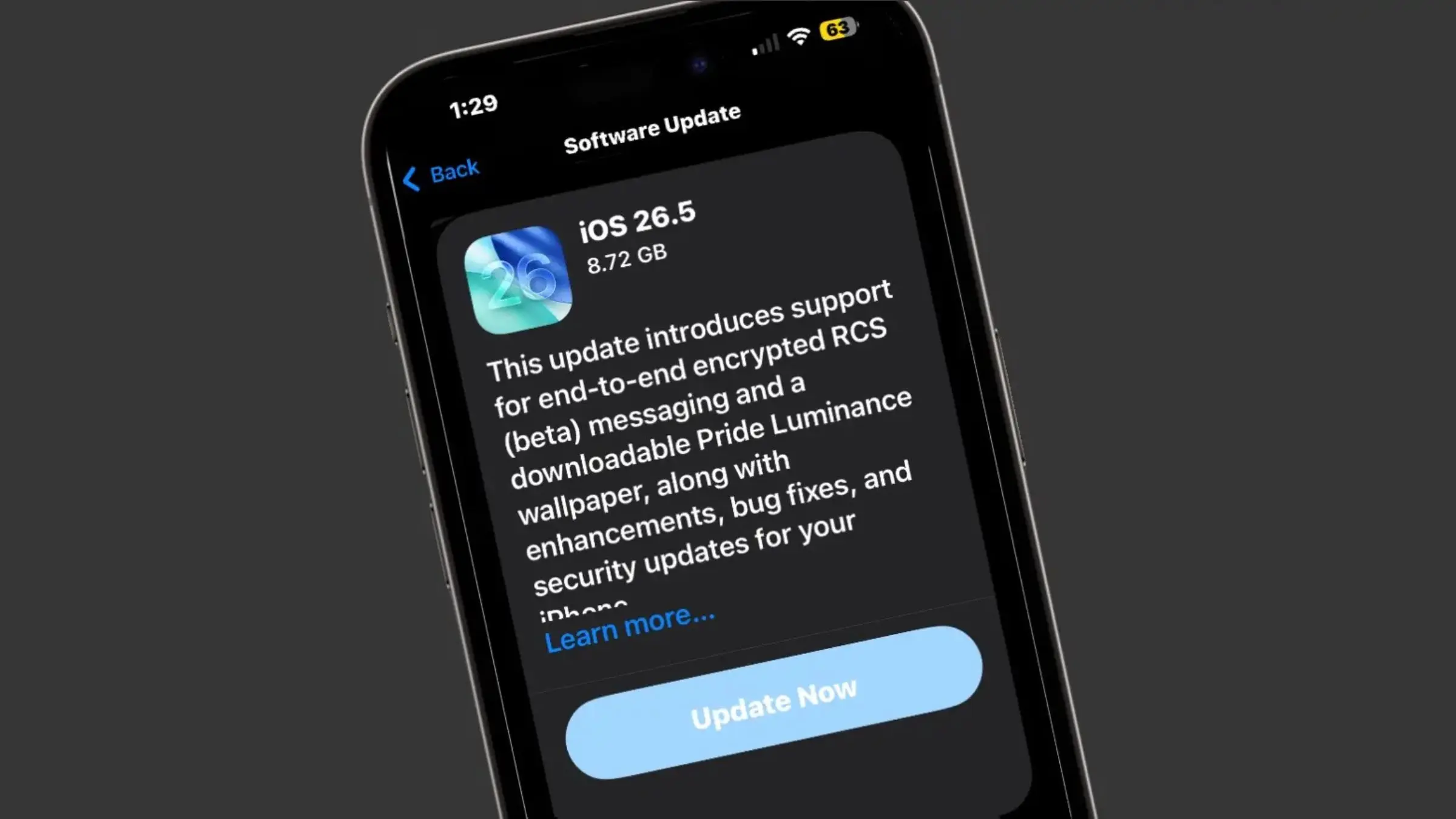
Apple has stopped signing iOS 26.4.2, which means that iPhone users who have updated to iOS 26.5 can no longer go back to the previous version.
Apple releases an iOS update that allows users to roll back to a previous version if they encounter bugs or other issues. However, once the company deems a new release to be stable, it will stop signing older builds.
What does “signing” an iOS version actually mean?
When Apple signs any version of iOS, it gives that software a stamp of approval that the iPhone checks before installing anything. If this signature is missing, your iPhone won’t even accept the file even if it’s connected to a Mac or PC.
But Apple’s signature system isn’t just about stability. It also serves as a security mechanism to prevent users from reverting to an older version with known vulnerabilities. It’s a deliberate decision that allows Apple to keep iPhones on the latest and most secure version of iOS.
Apple stopped signing iOS 26.4.2 earlier this week, as noted by Aaron Zollo at X. So if you were hoping to downgrade to iOS 26.4.2 for some reason, that ship has sailed.
iOS 26.5 may be the last update before WWDC26
This shouldn’t be much of a problem as iOS 26.5 has been seamless for most accounts. The update comes late in Apple’s annual software cycle and appears to be solid.
It’s not a huge update, but it does include some solid additions like 11 new Pride wallpapers, smarter place suggestions in Apple Maps, and a new annual subscription option for apps.
It also brings end-to-end encrypted RCS messages, but this feature remains in beta and only works with certain mobile providers.
With WWDC26 just a few weeks away, iOS 26.5 is likely to be the last iPhone update before Apple unveils iOS 27.

Anurag Chawake is a technology-focused writer specializing in smartphones, apps and consumer technology. His interest in computers began during the Windows 98 era and eventually led him to explore everything from operating systems to mobile devices and PC hardware. Anurag contributed earlier Indian Expresscovering Apple, Android, games and the wider technology landscape.

About The Author